

Can Neuropathy Go Away?
- Jan 2
- 3 min read
Updated: May 15
The short answer is that peripheral neuropathy rarely disappears instantly, but with the right combination of therapies, it can improve dramatically and, in many cases, reverse the underlying nerve damage. Most patients experience a return of sensation, a substantial reduction in pain, and functional recovery within three to eighteen months when the treatment targets the root cause rather than merely masking symptoms.

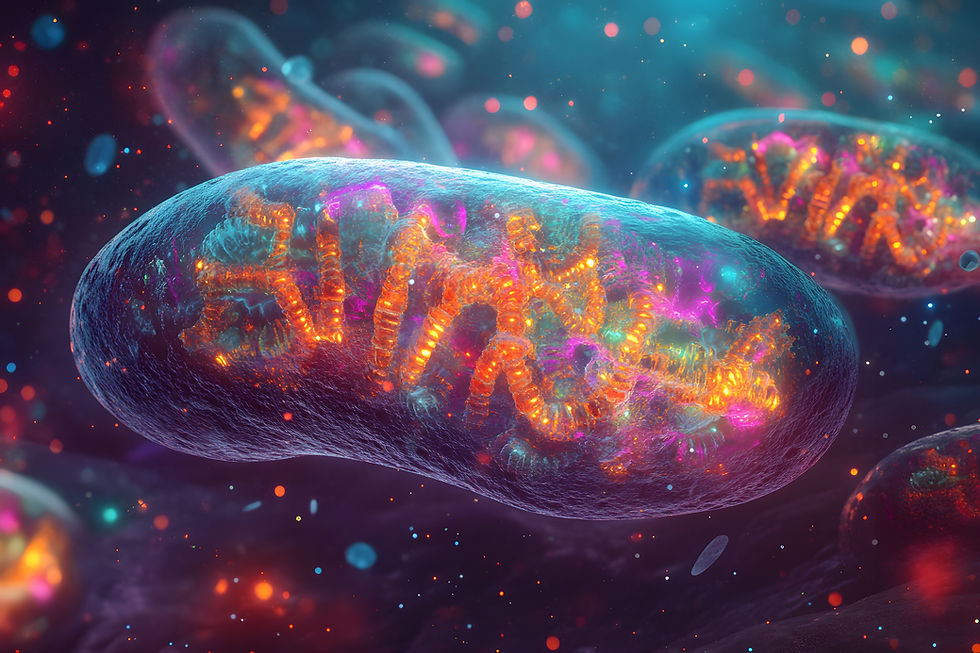
The core problem in neuropathy is an energy crisis inside the nerve cell. DNA damage—whether from aging, toxins, or chronic high blood sugar—triggers poly‑ADP‑ribose polymerases (PARPs) to repair the genome. PARPs consume large amounts of intracellular NAD⁺, a co‑enzyme essential for glycolysis, the Krebs cycle and DNA repair. When NAD⁺ becomes depleted, glucose cannot be metabolized efficiently, leading to a buildup of sorbitol.

Sorbitol is toxic to Schwann cells (the myelin‑producing cells) and to the tiny blood vessels that nourish nerves, resulting in myelin loss, oxidative stress and scar tissue that block nerve signals. Simply taking pain medication does not restore NAD⁺ levels or repair the damaged mitochondria, so the disease persists.
Our protocol restores the six essential needs that allow nerves to heal. Focused shockwave therapy creates controlled micro‑injuries that stimulate fibroblasts, increase blood flow and break down fibrous scar tissue that compresses nerves. Low‑level light therapy (LLLT) delivers photons that energize the mitochondria, raise ATP production, reduce inflammation and boost neurotrophic factor release, all of which support myelin repair. Pulsed electromagnetic frequency (PEMF) aligns cellular electromagnetic fields, further improving circulation and encouraging nerve regeneration. Electrical stimulation (E‑Stim) provides the “use‑it” signals that keep sensory fibers active, preventing atrophy and reinforcing the inhibitory interneurons that help close the pain gate.
Targeted supplementation completes the picture. NMN (Vitality Plus) is a direct precursor to NAD⁺, replenishing the depleted co‑enzyme and allowing glycolysis and DNA repair to resume. CoQ10 Plus supports the electron‑transport chain, ensuring the mitochondria can convert the renewed NADH into usable energy. High‑dose vitamin B12, L‑arginine, fish oil, vitamin D and antioxidant blends (Dismuzyme) provide the nutrients needed for myelin synthesis, nitric‑oxide‑mediated vasodilation and protection against oxidative damage. For diabetic patients we add a glycemic‑support supplement; for non‑diabetics we include an immune‑balancing formula.

When these interventions are applied together, the cellular environment shifts from a hostile, energy‑starved state to one that supports repair and growth. Nerves begin to remyelinate, conduction speeds improve and the painful “burning” signals diminish. Patients typically notice a decrease in sharp pain within the first month, return of light‑touch and temperature perception by the second or third month, and progressive improvement in vibration sense and balance over the next six months. By twelve months many achieve near‑normal protective sensation, and by eighteen months the majority have reached a plateau of nerve regeneration.
Success depends on several factors. Younger patients generally regenerate faster, but even older adults can make substantial gains if the underlying metabolic issues (such as uncontrolled diabetes) are addressed. Adherence to the therapy schedule—regular clinic visits for shockwave, LLLT, PEMF and E‑Stim, plus daily home exercises and supplement compliance—is the strongest predictor of outcome. Severity at presentation matters; patients who still experience “positive” signs (tingling, burning) indicate that the nerves are still alive and responsive, which correlates with a better prognosis. Lifestyle habits—adequate sleep, stress management, balanced nutrition and avoidance of tobacco or excessive alcohol—further enhance mitochondrial health and reduce oxidative stress.
A real‑world example illustrates the potential for reversal. Tammy, a 48‑year‑old non‑diabetic who had lived with burning feet and patchy numbness for years, began our full protocol. After three months she reported an 80 percent reduction in nighttime pain, regained light‑touch sensation in both feet and was able to walk unaided for the first time in five years. Intracellular NAD⁺ testing confirmed a rise from 30 µmol to 78 µmol, confirming that the cellular energy crisis had been resolved.
In conclusion, peripheral neuropathy can indeed “go away” in the sense that the debilitating symptoms can be largely eliminated and the nerves can regenerate when treatment addresses the underlying energy deficit, oxidative stress and tissue compression. The process takes time—typically twelve to eighteen months—but the results are durable and often life‑changing.
If you are ready to move from chronic pain to functional recovery, schedule a free neuropathy consultation with our chiropractic team. We will assess your symptoms, perform NAD⁺ and laboratory testing, and design a personalized plan that tackles the root cause of your neuropathy. Call 507-524-4000 or 507-387-1222 or book online today and start your journey toward a neuropathy‑free future.
Want to Learn More about Peripheral Neuropathy? Find a Proven, Evidence‑Based Path to Relief from Peripheral Neuropathy. Dr. Stenzel's Book "Healing the Hidden Nerves" isn’t a medical textbook—it’s a compassionate, action‑oriented guide that equips anyone living with peripheral neuropathy to regain comfort, mobility, and confidence. Begin Your Journey by clicking the link: https://a.co/d/7B5Am7F

Join our Growing Neuropathy Community so you can ask questions, give praise to those who have helped you, and share your wins as you work to conquer Neuropathy! Click Here to join for free!


Comments