

What can be done for Peripheral Neuropathy?
- Jan 19
- 3 min read
Updated: May 15
Peripheral Neuropathy – the damage of nerves that lie outside the brain and spinal cord – is a common source of burning, tingling, numbness, and loss of balance. The good news is that a comprehensive, evidence‑based program can dramatically reduce pain, restore sensation, and even promote nerve regeneration. The cornerstone of any successful treatment is the “six essentials” that every nerve needs to survive, grow and thrive: proper nutrition, adequate oxygen, regular stimulation, neurotrophic factors, healthy surrounding tissue and robust mitochondrial function.

Nutrition is the first pillar. B‑vitamins, magnesium, omega‑3 fatty acids and other micronutrients are required for myelin formation, DNA repair and cellular energy production. In our clinic we create a customized supplement stack that typically includes high‑dose vitamin B12, vitamin D, fish oil, L‑arginine, a proprietary antioxidant blend (Dismuzyme) and mitochondrial boosters such as CoQ10 Plus and NMN (Vitality Plus). For patients with diabetes we add a glycemic‑support formula, while non‑diabetics receive an immune‑balancing supplement.
Oxygen delivery is enhanced with low‑level light therapy (also called cold laser or photobiomodulation). Specific wavelengths penetrate the skin and energize the mitochondria, increasing ATP production, reducing inflammation and stimulating the release of neurotrophic factors that guide nerve growth. Pulsed electromagnetic frequency (PEMF) therapy works alongside light therapy to improve micro‑circulation, align cellular ion channels and further boost mitochondrial efficiency.

Stimulation is another critical need. Nerves obey a “use it or lose it” rule; when they are idle they atrophy. Gentle electrical stimulation (E‑Stim) delivers low‑level currents that cause muscles to contract and relax, sending “use‑it” signals to the sensory fibers and activating inhibitory interneurons that help close the pain gate. In addition to clinic‑based E‑Stim, we prescribe daily low‑impact exercise such as walking, swimming or stationary cycling, and specific balance drills that keep the proprioceptive system active.
Scar tissue and fibrous adhesions can physically choke a nerve, restricting blood flow and nutrient delivery. Focused shockwave therapy creates controlled micro‑injuries that trigger fibroblast activity, promote new blood vessel formation and break down existing scar tissue. Patients often notice a reduction in pain within three weeks and measurable improvements in light‑touch and vibration sensation after six to eight weeks.
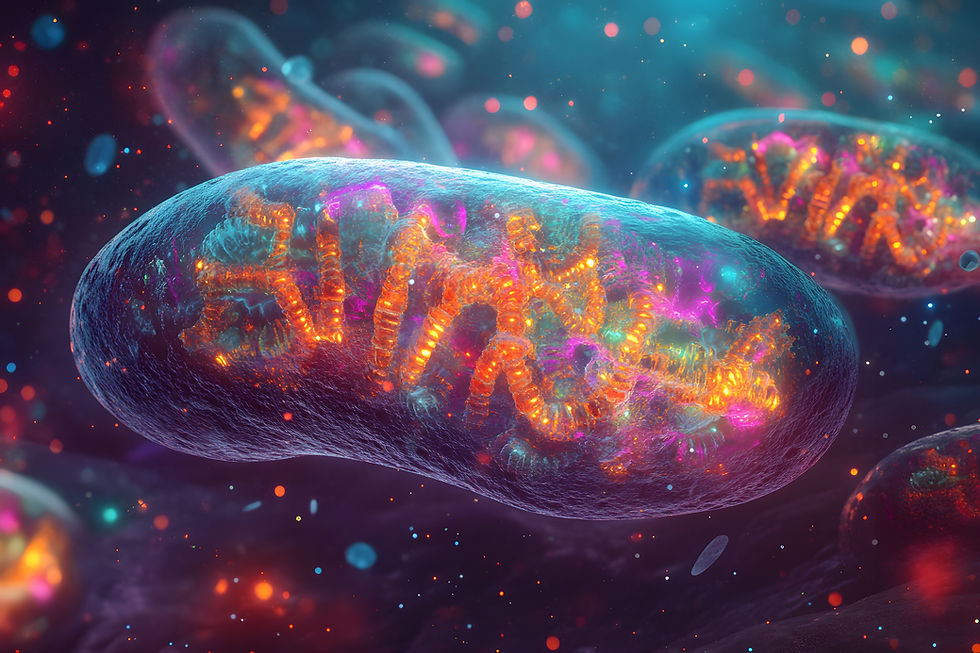
Mitochondrial health ties all of the above together. The cell’s power plant consumes oxygen to turn nutrients into ATP; when this process falters, nerves cannot fire properly. CoQ10 Plus supports the electron‑transport chain, while NMN replenishes intracellular NAD⁺, the co‑enzyme required for glycolysis, the Krebs cycle and DNA repair. Regular intracellular NAD⁺ testing lets us fine‑tune supplement dosages and track progress objectively.

Lifestyle habits round out the protocol. Daily foot inspection, temperature checks and supportive footwear prevent ulcer formation and infection. Stress‑reduction techniques such as mindful breathing (four‑second inhale, two‑second hold, six‑second exhale) lower cortisol, which otherwise fuels inflammation and oxidative stress. Consistent sleep hygiene—dark, cool, quiet rooms and a regular bedtime—allows the body to perform its most intensive repair work. Finally, a low‑inflammation diet rich in lean protein, leafy greens and healthy fats supplies the raw material for nerve repair.
Patients typically experience a phased recovery. In the first month pain subsides and circulation improves. By two to four months light‑touch and temperature perception return, and balance begins to recover. Between six and twelve months most individuals regain protective sensation and experience markedly fewer falls. Full nerve regrowth, which proceeds at roughly one millimeter per day, often plateaus around twelve to eighteen months.
Choosing a chiropractor who integrates manual care with these advanced technologies ensures you receive a truly multidisciplinary approach. Our practice combines hands‑on adjustments, the six‑essential protocol, regular NAD⁺ testing, and ongoing support through quarterly re‑evaluations and a patient community that keeps you accountable.
If you’re ready to stop living with burning feet, numb hands, and constant worry, schedule a complimentary neuropathy assessment today. We’ll map your symptoms, run the necessary labs, and design a personalized plan that targets the root cause—not just the symptoms.
Call 507-524-4000 or 507-387-1222 or book online today and start your journey toward a neuropathy‑free future.
Want to Learn More about Peripheral Neuropathy? Find a Proven, Evidence‑Based Path to Relief from Peripheral Neuropathy. Dr. Stenzel's Book "Healing the Hidden Nerves" isn’t a medical textbook—it’s a compassionate, action‑oriented guide that equips anyone living with peripheral neuropathy to regain comfort, mobility, and confidence. Begin Your Journey by clicking the link: https://a.co/d/7B5Am7F

What did you think of our thoughts on the question, "What can be done for Peripheral Neuropathy?"
Join our Growing Neuropathy Community so you can ask questions, give praise to those who have helped you, and share your wins as you work to conquer Neuropathy! Click Here to join for free!
This article should be used as an educational resource to help you explore lifestyle habits, self‐management techniques, and wellness ideas that may complement your neuropathy health journey.


Comments